Getting your third-grade classroom ready can feel overwhelming, but having the right supplies makes all the difference! The right materials help students stay engaged, support different learning styles, and make learning fun. Here’s a friendly guide to the must-haves, plus some creative extras that can take your classroom to the next level.
Must-Have Basics
Start with the essentials:
- Notebooks & paper: Spiral-bound for daily notes, composition books for structured assignments.
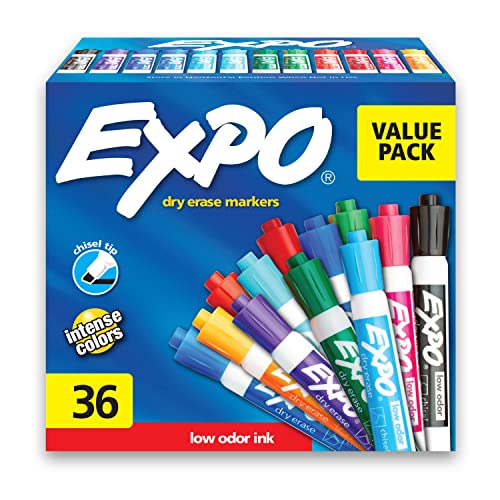
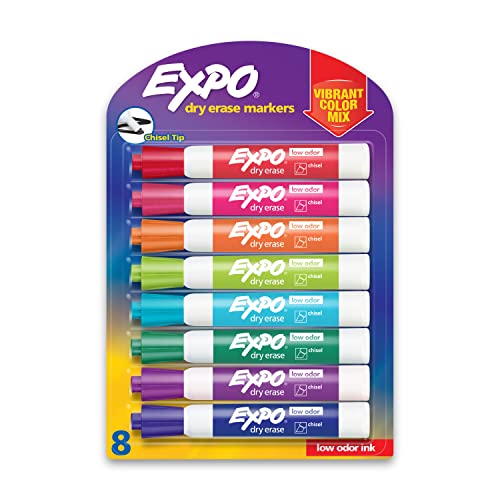
- Writing tools: Pencils, erasers, colored pencils, markers.
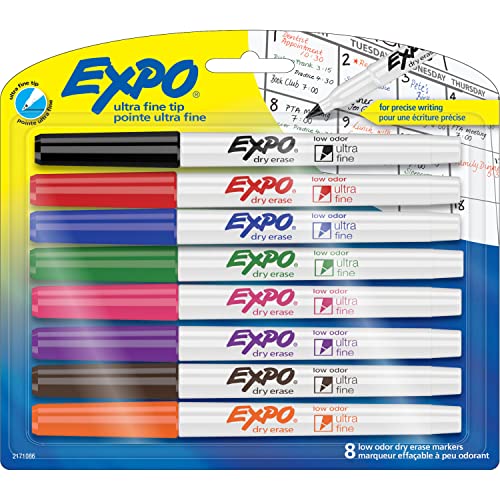
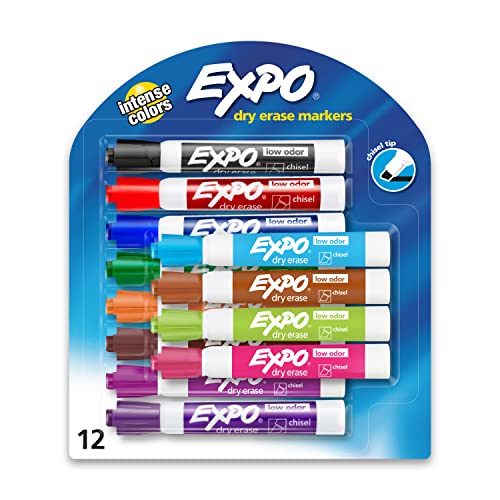
- Dry-erase boards: Perfect for math problems, spelling practice, or small group work.
- Manipulatives: Counting blocks, geometric shapes, or math tiles to make abstract concepts hands-on.
- Art supplies: Construction paper, glue, scissors for projects and storytelling activities.
Keep these organized with clear bins or caddies so everything is easy to find.
Fun & Innovative Extras
- Sensory tools: Fidget toys, stress balls, or sensory bins can help students focus and self-regulate.
- Flexible seating: Bean bags, floor cushions, or standing desks let students pick what works best for them.
- Tech tools: Tablets, interactive whiteboards, or educational apps make learning interactive and adaptive.
Supplies for Interactive Learning
- Educational games: Board games, online puzzles, or math challenges encourage teamwork and problem-solving.
- Group project materials: Poster boards, markers, and glue help students collaborate creatively.
- STEM kits: Hands-on building and experiments reinforce science and math concepts.
Tools for Differentiated Learning
- Visual aids: Charts, diagrams, and posters support visual learners.
- Auditory resources: Audiobooks and read-alouds engage listening learners.
- Adaptive tools: Speech-to-text apps, tactile games, and manipulatives ensure all students can participate.
Arts & Crafts
Arts are more than fun—they foster creativity and cross-disciplinary learning:
- Colored papers, glue, scissors
- Recyclable materials for eco-friendly projects
- Opportunities for collaborative art projects
Organization Matters
A tidy classroom keeps students focused:
- Storage bins: Sort materials by subject or activity.
- Filing systems: Keep lesson plans and student work organized.
- Labels: Color-coded stickers or label makers help students find and return supplies easily.
Tips for School Leaders
- Bulk buying & funding: Save money by purchasing in bulk or seeking grants.
- Community engagement: Supply drives or volunteer programs can provide extra resources.
- Collaboration: Ensure teachers have what they need for a rich learning environment.
Why It Matters
Well-chosen classroom supplies make a real difference: students are more engaged, motivated, and ready to learn. By providing a variety of materials for different learning styles, teachers can create a fun, interactive, and organized environment where every third grader can thrive.