
Introduction to Classroom Management
As teachers, we know great classroom management isn’t about control—it’s about creating the conditions where real learning can happen.
Clear routines and expectations set the tone from day one, minimize disruptions, and let every student feel safe and respected. In diverse classrooms—especially when we welcome students with disabilities—inclusive strategies and flexible supports ensure no child is left on the sidelines.
Research is clear: classrooms with strong management see fewer interruptions, higher achievement, and happier, more motivated kids. When we use positive reinforcement, collaborative activities, and consistent structures, engagement soars.
Invest a little time upfront in proven management practices, and the payoff is huge: smoother lessons, deeper connections, and a space where every learner can thrive. Your classroom—and your students—deserve that foundation.
Top Ten Books on Classroom Management
When it comes to effective classroom management, educators are often on the lookout for resources that provide practical strategies and insights. Below is a curated list of the top ten books available on Amazon that focus on classroom management strategies. Each book brings unique concepts and methodologies aimed at enhancing classroom instruction and engaging students.
If you click the links below and make a purchase, we will earn a commission at no additional cost to you.
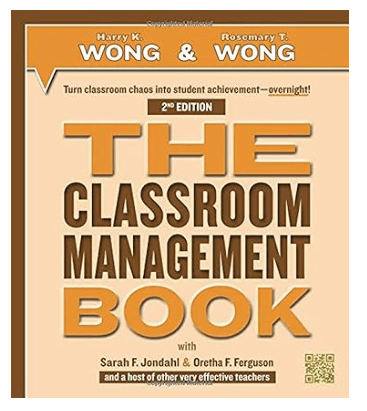
1. The Classroom Management Book by Harry K. Wong and Rosemary T. Wong – This comprehensive guide delves into various instructional strategies that can foster a positive learning environment. It emphasizes proactive approaches to behavior management, making it a favorite among educators seeking to include students with disabilities.
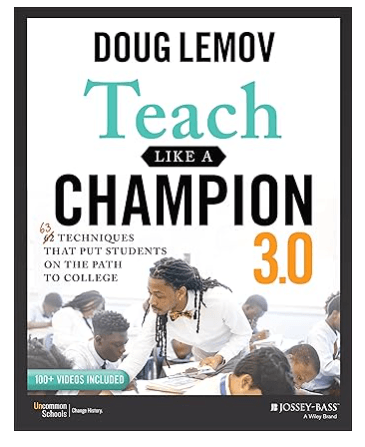
2. Teach Like a Champion by Doug Lemov – Renowned for its actionable techniques, this book is designed to improve classroom instruction. It includes numerous strategies for engaging students and maintaining classroom order, drawing on real-life classroom examples.
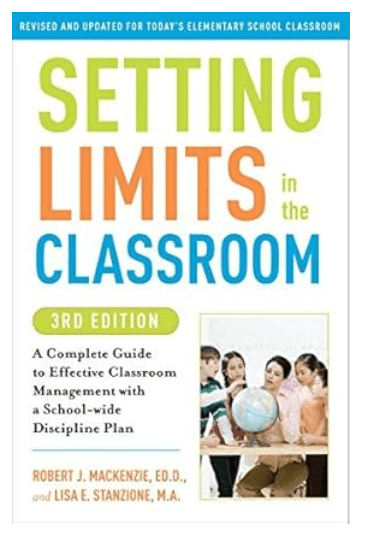
3. Setting Limits in the Classroom by Robert J. Mackenzie – This resource highlights the importance of boundaries and consistency in managing student behavior. Educators appreciate its focus on building respectful relationships, which is crucial for inclusion.
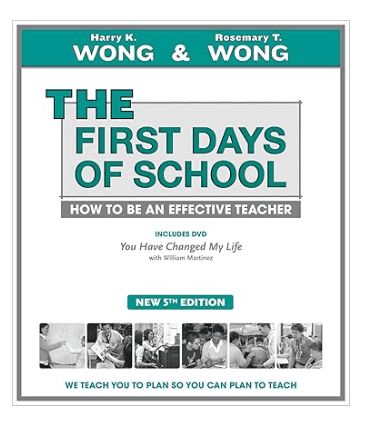
4. The First Days of School by Harry K. Wong – This classic guide is focused on creating an effective classroom management system right from the beginning of the school year. Readers commend its emphasis on planning and preparation.
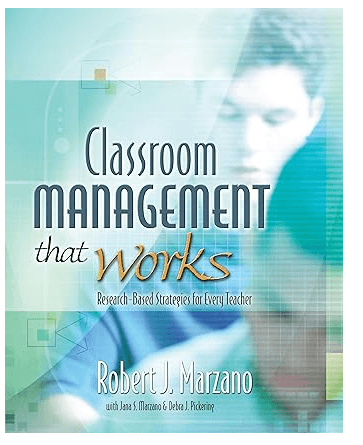
5. Classroom Management That Works by Marzano, Marzano, and Pickering – Grounded in research, this book offers instructional strategies to improve effectiveness in managing a classroom. Educators value its evidence-based approach.
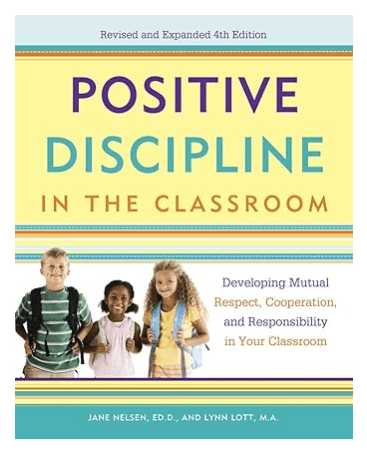
6. Positive Discipline in the Classroom by Jane Nelsen – With a focus on non-punitive discipline strategies, this book helps educators engage students while managing behavior in inclusive settings. Reviews indicate strong insights into fostering community in classrooms.
7. The Teacher’s Toolkit by Paul Ginnis – This practical resource includes a variety of strategies aimed at improving classroom instruction through effective management techniques. Teachers appreciate its usability and range of ideas.

8. Manage Your Classroom by Kiara Smith – proven techniques to improve classroom management and create a more organized, respectful learning environment. While perfection might be out of reach, with the right approach from the start, you can transform your classroom into a space where students are engaged and well-behaved. Written by an experienced cosmetology teacher passionate about helping fellow educators, this guide provides practical solutions for managing behavior, keeping noise levels under control, and fostering student focus.

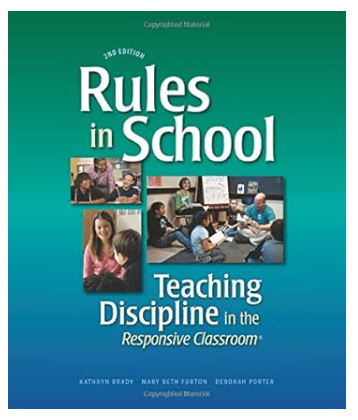
9. Rules in School by Kathryn Brady – a widely-used, positive discipline approach that has helped teachers across the country create calm and safe classrooms where students thrive. The method focuses on building self-control, understanding positive behavior, and helping students appreciate it.
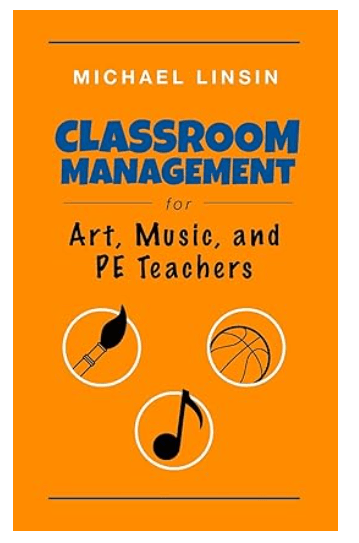
10. Classroom Management for Art, Music, and PE Teachers” by Michael Linsin – offers a practical solution to turn even the most difficult groups into calm, well-behaved classes. It provides essential tools, strategies, and techniques to efficiently manage any classroom, allowing teachers to focus on inspiring students and making a lasting impact.
These selected books offer a wealth of knowledge for educators striving to improve their classroom management strategies. Customer reviews consistently highlight the practicality and applicability of the instructional strategies presented, as well as the overall effectiveness they have in fostering an inclusive environment.
Review Analysis of the Selected Books
Real strategies you can use tomorrow Educators repeatedly praise the books for giving concrete, step-by-step techniques they can take straight into the classroom—especially helpful when supporting students with disabilities or diverse needs. “I tried it the next day and saw a difference” is a phrase that shows up over and over.
Easy to read, easy to apply Clear language, short chapters, and relatable examples make all the difference. Teachers say the best books feel like a conversation with a trusted colleague, not a textbook they have to wrestle through.
They actually work in real classrooms The highest-rated books earn that praise because reviewers share stories of calmer rooms, fewer disruptions, and happier, more engaged students. When dozens of teachers say, “This changed my year,” you know the ideas hold up under real-world pressure.
Benefits of Reading These Books for Educators
Reading a great classroom management book is one of the smartest investments a teacher can make. Here’s why it pays off every single day:
- Ready-to-use ideas — You walk away with real strategies you can try the very next morning, many designed to reach every student, including those with disabilities.
- The “why” behind the “what” — Good books don’t just give tricks; they explain the theory so you can adapt on the fly when things don’t go as planned.
- Fresh inspiration — You’ll discover creative approaches (cooperative learning, quick resets, positive narration) that breathe new life into your room and keep kids engaged.
- Stronger relationships — When routines are clear and the environment feels fair and supportive, trust grows—and teaching gets a whole lot easier.
In short, every book you read adds tools to your toolbox and confidence to your practice. In a profession that’s always changing, a little professional reading goes a long way toward building the calm, inclusive, joyful classroom your students deserve.